
Set your alarm and keep your fingers crossed for clear skies: a deep partial lunar eclipse will be visible across the UK and Ireland in the early hours of Friday, August 28 2026.
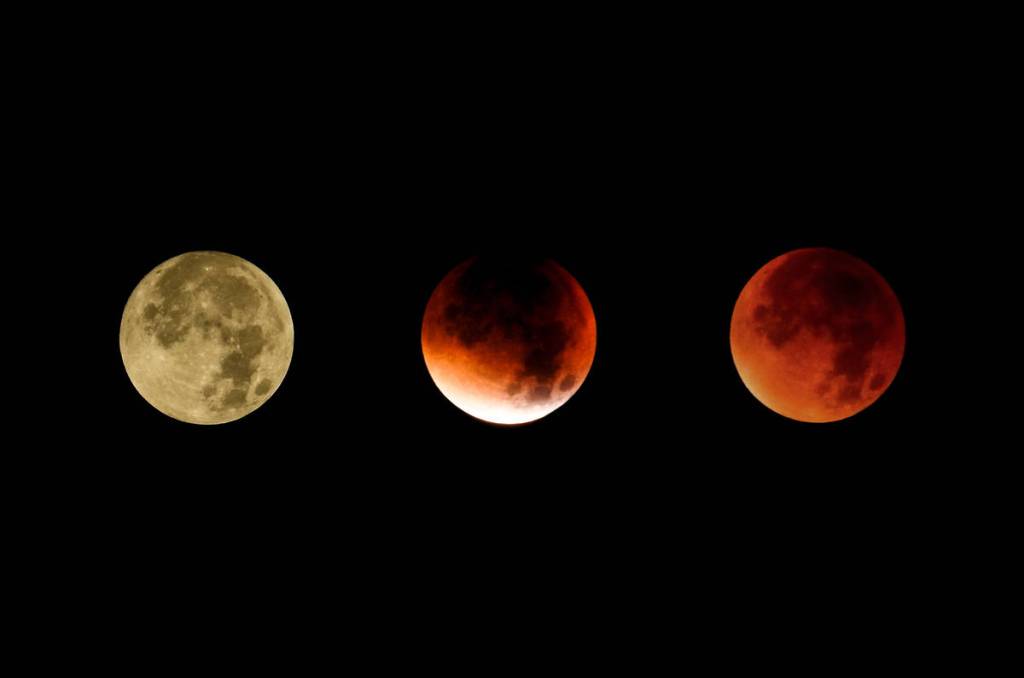
While it will not become a total lunar eclipse, around 93% of the Moon’s diameter will pass through the darkest part of Earth’s shadow. That means much of the Moon could take on the atmospheric reddish or coppery glow often associated with a “blood moon”.
When is the lunar eclipse?
The eclipse will unfold gradually overnight, with the Moon becoming increasingly shadowed before sinking towards the horizon.
- Penumbral eclipse begins 2.23am BST
- Partial eclipse begins 3.33am BST
- Maximum eclipse 5.12am BST
- Moonset in London approximately 6.15am
- Partial eclipse ends 6.51am BST
The most dramatic moment will arrive at around 5.12am, when approximately 93% of the Moon’s visible diameter is within Earth’s umbra – its deepest shadow.
However, the Moon will set before the eclipse officially ends. In London, it is expected to disappear below the horizon at about 6.15am, although moonset times will vary across the UK and Ireland.
What is a partial lunar eclipse?
A lunar eclipse occurs when Earth moves directly between the Sun and the Moon, casting a shadow across the lunar surface.
That shadow has two parts. The outer section, known as the penumbra, creates a subtle dimming. The darker central section is called the umbra. During a partial lunar eclipse, only part of the Moon enters the umbra, leaving the rest illuminated by direct sunlight.
On August 28, an unusually large portion of the Moon will enter this deepest shadow. Although no location on Earth will see a total lunar eclipse during this event, the 93% coverage makes it a particularly impressive sight.
Why might the Moon turn red?
The Moon does not produce its own light. What we see is sunlight reflected from its surface, so when Earth blocks the direct sunlight, it might seem as though the Moon should vanish completely.
Instead, some sunlight passes through Earth’s atmosphere and is bent, or refracted, towards the Moon. Blue light is scattered more easily, while red and orange wavelengths continue through the atmosphere. This can give the eclipsed part of the Moon a warm copper, russet or reddish colour.
That is why lunar eclipses are sometimes given the more dramatic nickname “blood moons”. The exact colour will depend on conditions in Earth’s atmosphere, as well as the amount of dust, pollution and cloud around the planet.
How to see the eclipse in the UK
The eclipse will be visible without specialist equipment, provided the sky is clear. Unlike a solar eclipse, a lunar eclipse is safe to watch with the naked eye, so you will not need protective glasses.
To see as much of the event as possible:
- Find a location with a clear view towards the south-western horizon.
- Choose a high vantage point, particularly as the Moon will sit lower in the sky later in the morning.
- Avoid areas where buildings, trees or hills block the horizon.
- Arrive before 3.33am if you want to watch the partial phase begin.
- Look out for the deepest part of the eclipse at approximately 5.12am.
- Check local weather forecasts shortly before heading outside.
The penumbral phase will begin at 2.23am, but the initial darkening may be difficult to notice. The Moon should become much more obviously shadowed from 3.33am onwards, as it begins moving into the umbra.
Why this eclipse follows August’s solar eclipse
The lunar eclipse comes just over two weeks after the partial solar eclipse on August 12 2026. This pairing is not a coincidence.
Solar and lunar eclipses occur around two weeks apart because of the alignment of the Sun, Earth and Moon during eclipse season.
A solar eclipse happens when the Moon passes between Earth and the Sun, while a lunar eclipse occurs when Earth moves between the Sun and Moon.
The August 28 event therefore offers a second chance to look skywards during an unusually eventful month for astronomy enthusiasts.
The biggest challenge will be staying awake. The eclipse begins in the small hours, and by the time it reaches its maximum, the Moon will be low in the sky and close to setting.
That low position could make the event especially atmospheric, with the darkened Moon appearing above rooftops, hills or distant landscapes. It also means that choosing your viewing spot in advance will be worthwhile.
There is no guarantee that British weather will cooperate, of course. But if the clouds stay away, the deep partial lunar eclipse could provide one of the most memorable pre-dawn sights of the summer.