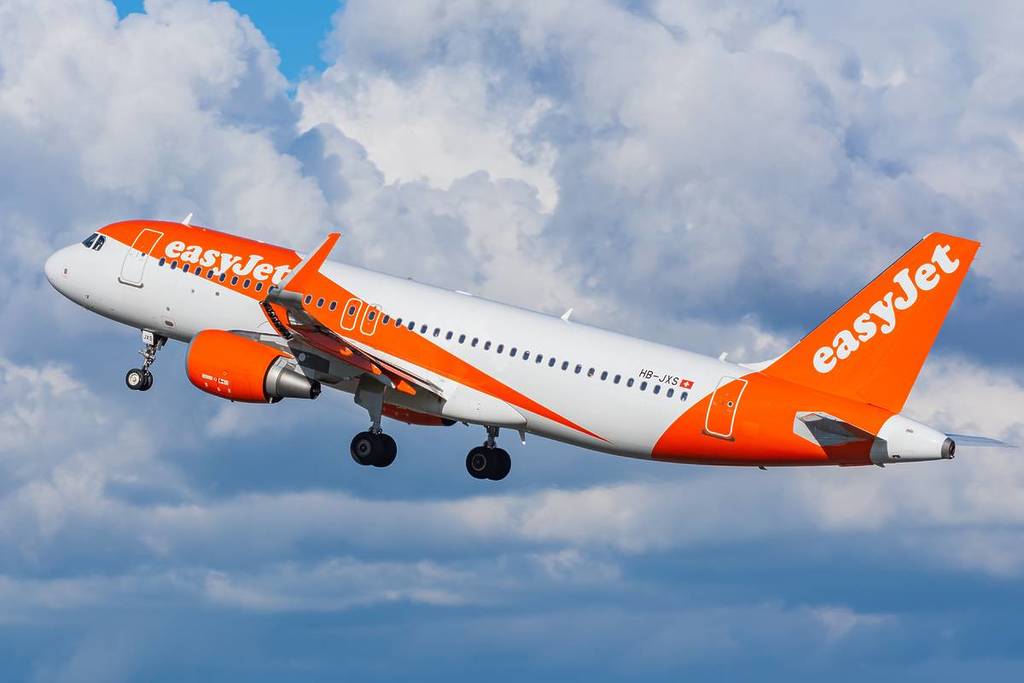
Passengers flying with EasyJet could soon find themselves enjoying some extra inches of legroom but there’s a catch…
EasyJet passengers could soon enjoy more legroom
The budget airline has announced it is fitting new Mirus “Kestrel” seats across 237 of its upcoming Airbus A320neo and A321neo aircraft from 2028.
At first glance, the news sounds like a major comfort upgrade. But the catch lies in how the extra space is achieved and it’s not through wider spacing between seat rows, but through a redesigned structure that repositions the passenger.
How the new EasyJet seat design works
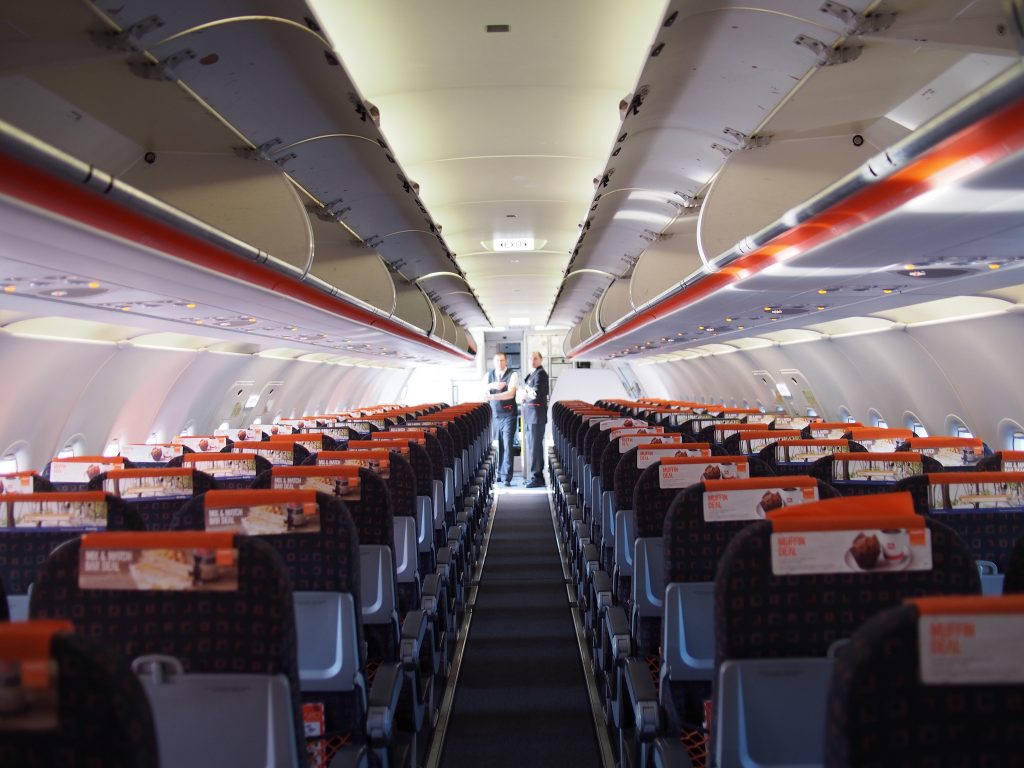
The British-made Kestrel seats use a slimmer build and a clever ergonomic design that pushes the occupant’s hips and spine slightly further back, effectively opening up additional legroom without altering the seat pitch, which remains at around 29 inches on most EasyJet aircraft.
The seats feature a fixed recline angle of 22 degrees, meaning travellers can’t tilt their seat back – a move most likely to divide opinion among passengers.
To make the design lighter, Mirus replaced much of the traditional plastic with carbon fibre, cutting the seat’s overall weight by more than 20 per cent.
EasyJet says this will save up to half a tonne per plane, reducing fuel consumption and cutting annual CO2 emissions by nearly 13,000 tonnes across its fleet.
EasyJet’s focus on boosting comfort and sustainability
David Morgan, EasyJet’s chief operating officer, said the change reflects the airline’s focus on efficiency and sustainability.
“This investment supports our continued focus on making operations as efficient as possible, capitalising on small incremental gains that result in meaningful reductions in fuel burn and CO₂ emissions,” he explained. “On top of that, the extra legroom and comfort these seats provide will deliver an improved onboard experience for customers.”
Mirus chief executive Ben McGuire described the EasyJet deal as “one of the largest single-model aircraft seat awards ever”, emphasising that the company’s aim was to enhance both passenger comfort and environmental performance.
The move comes as seat space has become a contentious topic for short-haul flyers.
Research by consumer group Which? recently found that most EasyJet planes operate with a 29-inch pitch roughly in line with other budget carriers such as Ryanair and Wizz Air, some of which go as low as 28 inches in certain cabins.