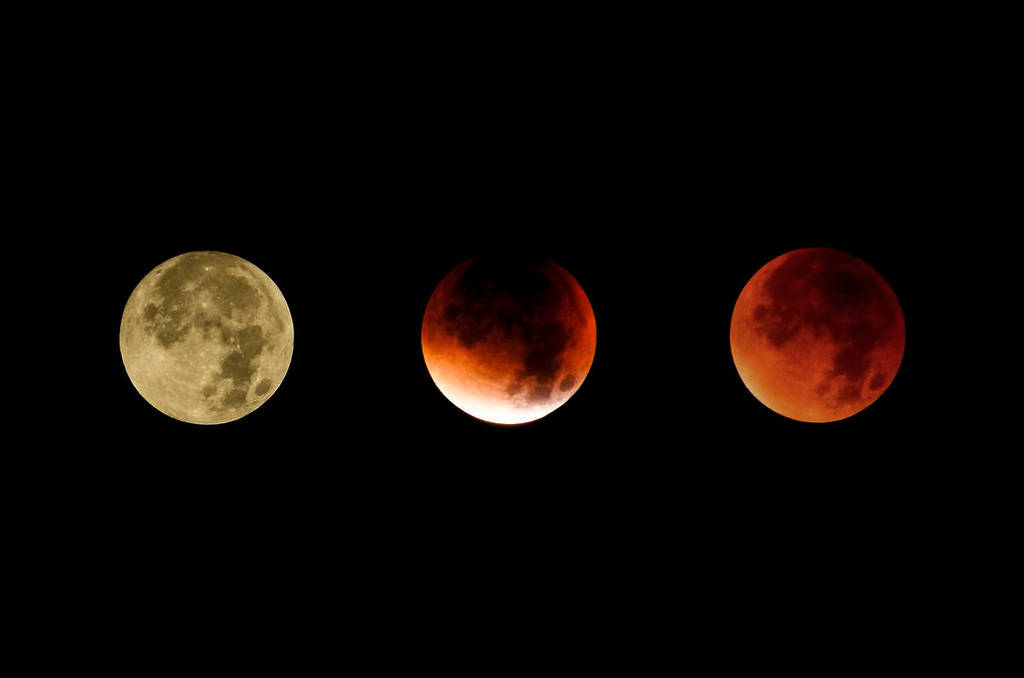
2026 is a packed year for moon‑watchers, with 13 full moons lighting up the sky, including a Blue Moon, three supermoons and two lunar eclipses. There are 13 full moons in 2026, one more than the usual 12, which is why there is a Blue Moon (the second full moon in a single calendar month).
The year includes a total lunar eclipse in March, a partial eclipse in August, three supermoons (January, November, December) and a micromoon in June.
What makes a supermoon or micromoon
A supermoon happens when the full moon coincides with the Moon being closer to Earth in its orbit, so it looks slightly larger and brighter than usual.
A micromoon is the opposite: the Moon is farther away, so the full moon appears a little smaller and dimmer in the sky.
Full moon schedule for 2026
- Saturday, January 3 – Wolf Moon, supermoon
- Sunday, February 1 – Snow Moon
- Tuesday, March 3 – Worm Moon, total lunar eclipse
- Wednesday, April 1 – Pink Moon
- Friday, May 1 – Flower Moon
- Sunday, May 31 – Blue Moon
- Monday, June 29 – Strawberry Moon, micromoon
- Wednesday, July 29 – Buck Moon
- Friday, August 28 – Sturgeon Moon, partial lunar eclipse
- Saturday, September 26 – Harvest Moon
- Monday, October 26 – Hunter’s Moon
- Tuesday, November 24 – Beaver Moon, supermoon
- Wednesday, December 23 – Cold Moon, supermoon
The standout eclipses in 2026
The March Worm Moon will turn a rusty red during a total lunar eclipse lasting just under an hour, best seen from western North America and the Asia‑Pacific region.
In late August, the Sturgeon Moon will pass through part of Earth’s shadow in a partial eclipse, giving a more subtle but still noticeable bite out of the lunar disc.
How to enjoy the full moon
You do not need any special equipment; a clear horizon, minimal light pollution and a few minutes outside around the peak time are enough.
Watching the full moon low on the horizon at dusk can make it look larger and more dramatic, especially during supermoons.