
There is a hidden burn quietly flowing beneath the busy streets of Glasgow, a water source that has both literally and figuratively shaped our city. The Molendinar Burn is now hidden within underground tunnels, but was once an integral part of the early settlement of what was called “Glasgu” in Gaelic, or “dear green place”.
The Molendinar Burn was the central part of the roots of our city, closely tied to the life of St. Mungo, who is the patron saint of Glasgow. St. Mungo founded his church around its banks in the 6th century, holding deep spiritual significance to this day.
The Molendinar Burn
Starting at Frankfield Loch between Cardowan and Millerston to the north-east of Glasgow, the burn makes its way to Hogganfield Loch before flowing through Blackhill, and can also be seen at Molendinar Park, remaining mostly hidden until it merges into the River Clyde.
Over the centuries, Glasgow kept on growing and expanding, with the burn being culverted and redirected in the 1870s through the underground tunnels we have today. In 2005, further upgrades were made due to severe flooding in Dennistoun in 2002.
The birth of Tennent’s
The Molendinar Burn played a massive part in the distilling process, with 15th century monks using its water to brew beer, while Hugh and Robert Tennent founded their brewery in 1740, producing Scotland’s popular Tennent’s lager. That’s right, we have the Molendinar Burn to thank for it!
The tunnels of the Molendinar Burn
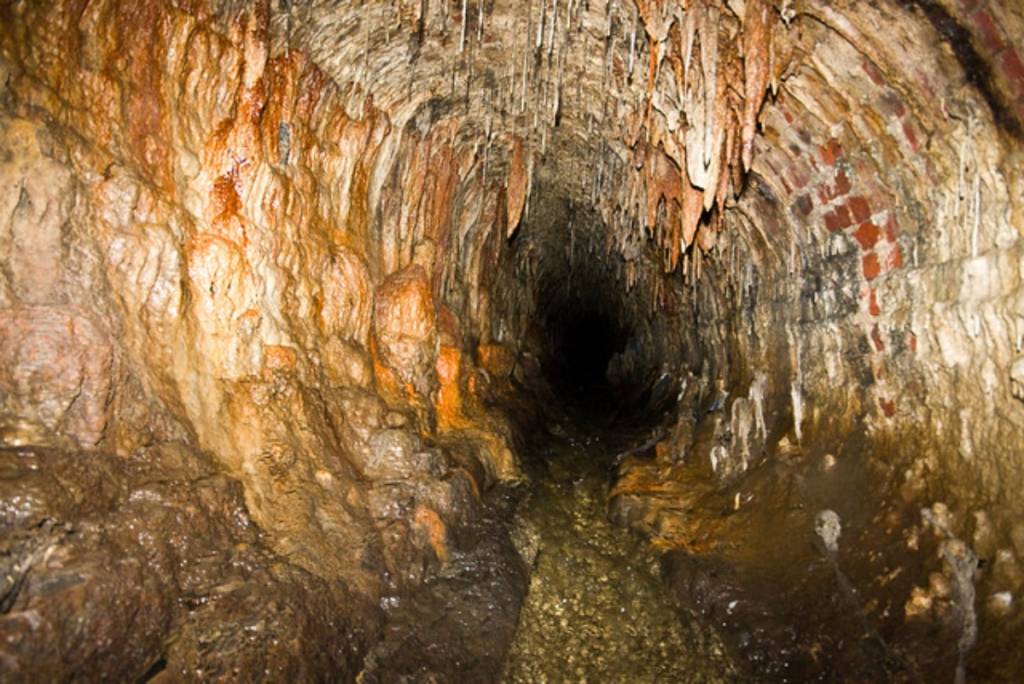
So, while visiting the tunnels probably wouldn’t be the most pleasant day out, some people have gone down it. For example, Ben Cooper documented his adventure on the Transient Places blog, showcasing some pretty eerie pictures. You can have a wee nosey yourself here.
The Molendinar Burn quietly holds the history of Glasgow in its waters, flowing as an invisible reminder of where we come from.