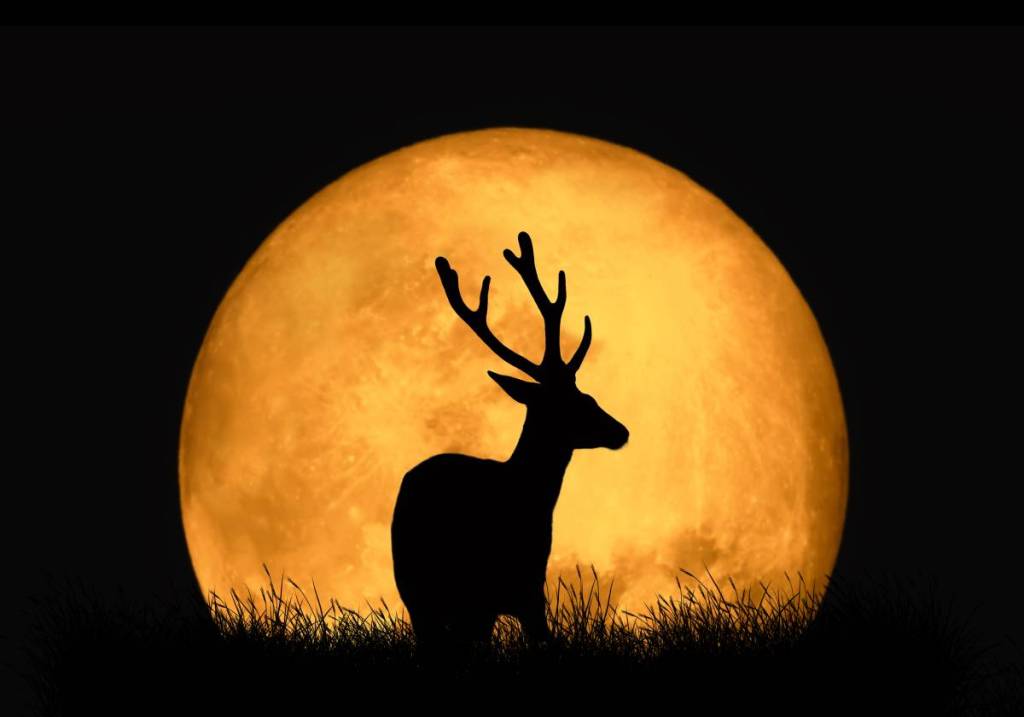

The July full Moon, known as the Buck Moon, is set to illuminate skies across the UK this week, offering one of the most atmospheric stargazing moments of the summer.
Peaking at the end of the month, the Moon will technically reach its fullest phase during daylight hours.
But don’t worry – the real spectacle happens after sunset, when it rises glowing on the horizon and appears almost completely full to the naked eye on the nights of Tuesday and Wednesday.
When and where to see the Buck Moon
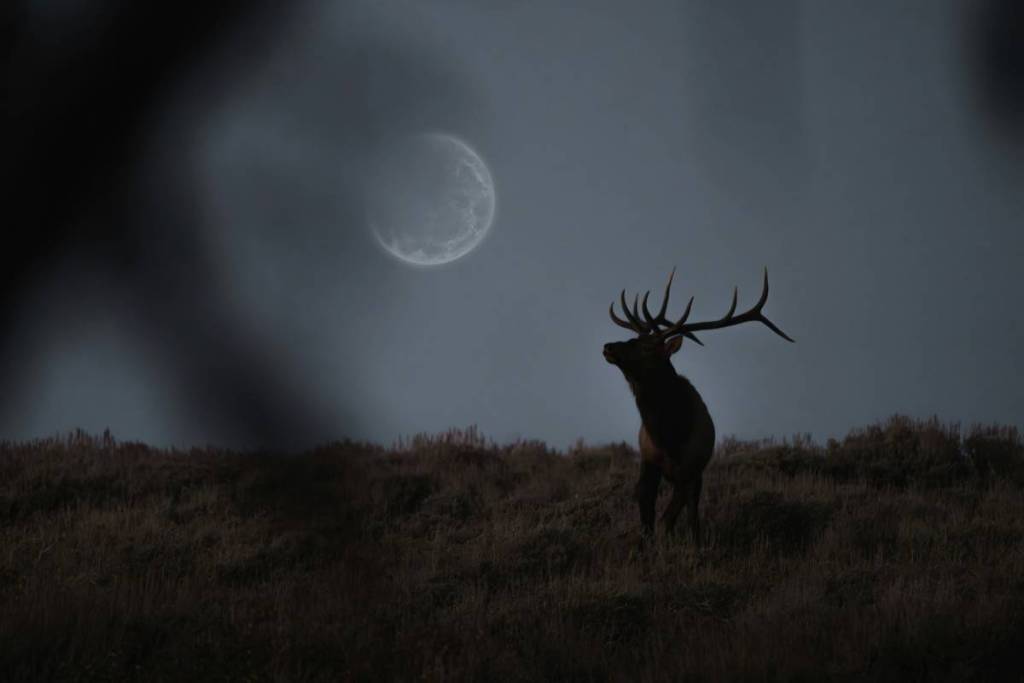
Although the exact peak falls below the horizon in the UK, the best time to catch the Buck Moon is just after sunset on July 29 at 15:36 BST.
This is when it appears largest and most dramatic, often glowing amber or gold as it rises.
Across much of England, particularly central, southern, and eastern regions, skies are expected to remain largely clear, creating ideal viewing conditions.
Expect mild overnight temperatures, light winds, and only minimal cloud cover.
In Scotland, Wales, and Northern Ireland, conditions are slightly more variable.
While there may be patches of cloud and the occasional shower, clear intervals should still offer decent opportunities to spot the Moon.
Eastern and northern parts of Scotland are likely to have the best visibility.
Why is it called the Buck Moon?
The name “Buck Moon” comes from Native American and early colonial traditions, where full Moons were used to track seasons and natural cycles.
July’s Moon marks the time of year when male deer, known as bucks, begin rapidly growing new antlers. The name reflects this seasonal change in wildlife, tying the lunar calendar to the rhythms of nature.
It also goes by other evocative names. The Royal Observatory Greenwich refers to it as the “Thunder Moon,” a nod to the frequent summer storms in July.
Elsewhere, it’s called the “Hay Moon,” linked to the traditional hay harvest season.
What makes this Moon special?
While not a supermoon this year, the Buck Moon still offers a striking visual display, particularly during moonrise.
When close to the horizon, it can appear unusually large due to the “Moon illusion,” a visual trick that makes it seem bigger than it actually is.
This makes it a favourite for photographers and casual stargazers alike, especially when framed against city skylines or countryside landscapes.
For the best experience:
Find an open space with an unobstructed view of the eastern horizon
Head slightly outside urban areas to avoid light pollution
Time your viewing just after sunset for the Moon’s dramatic rise
What else to watch in the summer sky

The Buck Moon is just one highlight in a packed summer of celestial events.
The Perseid meteor shower is already active and will peak overnight on August 12–13, offering one of the best chances of the year to spot shooting stars.
Even more exciting, a major solar eclipse will take place on August 12.
While totality will only be visible in parts of Spain and northern Portugal, the UK will still experience a dramatic partial eclipse, with up to 90% of the Sun obscured.
Later in the month, a partial lunar eclipse will occur in the early hours of August 28, rounding off a rare sequence of astronomical events.