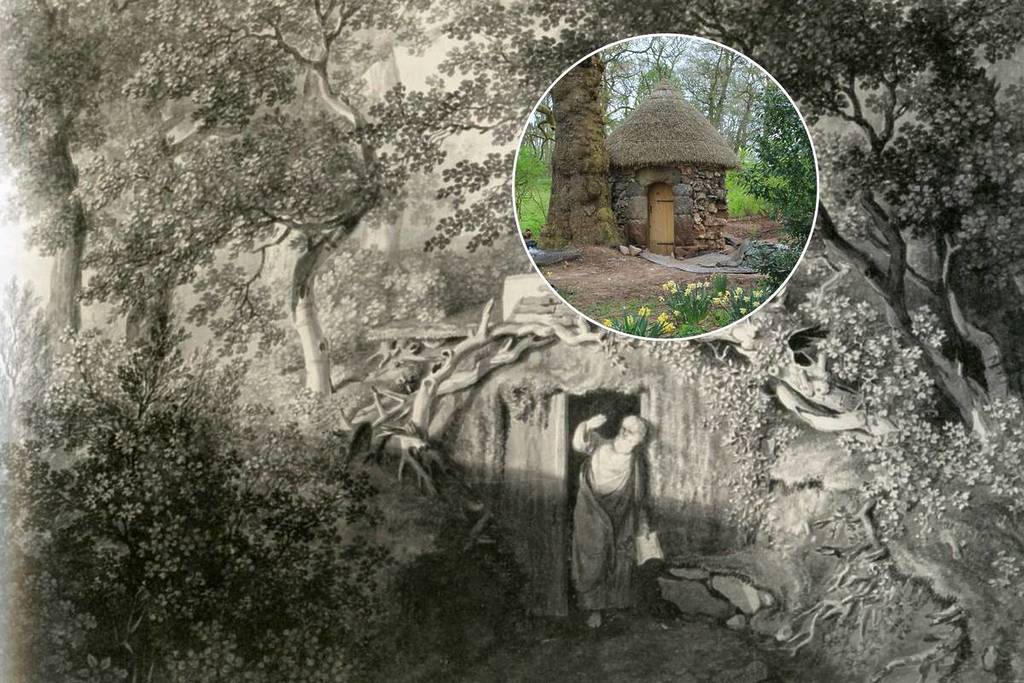

At some point amidst our busy modern lives, many of us have contemplated selling our possessions to live peacefully in a remote location. In the past, living in isolation as a garden hermit, or ornamental hermit, was a lucrative career. Individuals earned the modern equivalent of up to £55,000 to act as real-life garden gnomes, staying in character constantly while landowners used them for conversation, advice, or entertainment.
Yes, you read that right – it’s actually just a person dressed like a druid bouncing about a garden doing gnome things like reading books and giving sage advice when asked, all while getting paid for it.
A brief history of garden hermits
The profession reached its peak during the 18th century. Though its exact origins remain unclear, speculation traces the concept back to Italy, specifically Roman Emperor Hadrian and his villa at Tivoli.
The 18th-century obsession with real-life gnomes is credited to Charles V, the Holy Roman Emperor and King of Spain (1500-1558). He spent his final years in a monastery, turning the act of giving up worldly possessions into an honourable pursuit.
However, the craze was short-lived and disappeared by the 19th century, eventually evolving into the small garden gnomes seen today, perhaps serving as a subtle nod to the ornamental hermits who once inhabited wealthy estates. Numerous hermit dwellings still survive across Europe, including England and Scotland, serving as reminders of one of history’s strangest and most unsanitary jobs.
The job of being a real-life garden gnome
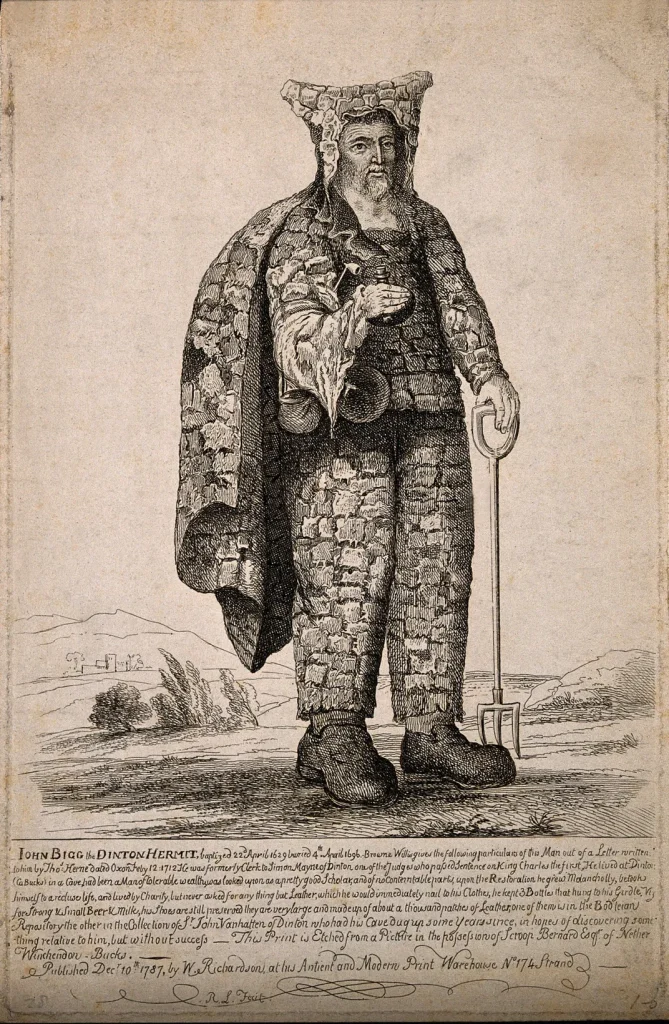
Popular primarily in England, each garden hermit arrangement reflected the specific fantasies of the landowner. Real-life gnomes were employed for up to seven years, dressed in druid-like attire, and forbidden from breaking character even when the estate owners were away.
They resided in tiny dwellings and were strictly forbidden from bathing, cutting their hair, or trimming their nails. Despite living mostly in isolation, hermits were brought out by property owners to entertain guests or offer conversation and advice. Landowners supplied them with abundant reading material to bolster their wise, druid-like persona.
Garden hermits were intended to personify introspection, sobriety, and melancholy. They were frequently required to sit at a table equipped with spectacles, a book, and a human skull to symbolise mortality. Their living environments were extremely unsafe and unsanitary, as the tiny dwellings offered poor protection against severe weather.
Furthermore, some landowners forced existing staff members, typically the groundskeeper looking after the land, into the role rather than posting job advertisements. Even so, the position paid well; hermits earned up to 50 pounds a year, which equals roughly £55,000 today.
Modern-day gnoming
Although rare, the role of the garden hermit persists today. Stan Vanuytrecht, a retired Belgian artillery officer, secured a hermit position at a continuously inhabited, 350-year-old Austrian hermitage. He beat out 50 other applicants for the unpaid role. While he lives without internet or electricity, his conditions are vastly superior to his 18th-century predecessors, allowing him to visit the local town twice a week to shower and buy groceries. He stands as one of Europe’s last remaining hermits.