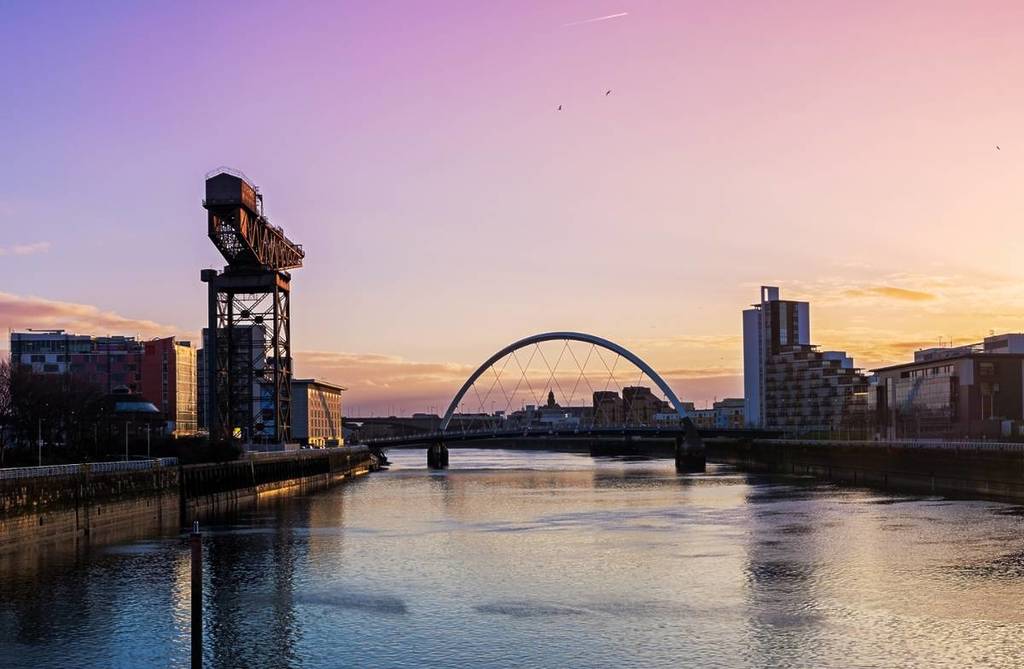

Ever wondered what that big crane, known as the Finnieston Crane, beside the Scottish Event Campus is for? Well, it is actually a giant cantilever crane, and it was used to lift extremely heavy machinery from ships with immaculate precision, such as massive engines. As a result, the structure was declared a world Mechanical Engineering Landmark alongside the Eiffel Tower. However, our crane is under threat of coming into disrepair, as it’s been closed for years.
Now unused, the Finnieston Crane is one of around 50 built around the world – and only eleven remain today across the globe, while the River Clyde used to be home to four giant cantilever cranes. More interestingly, around half of them were built in and around Glasgow!
Glaswegians have built these structures so well, that one has survived an actual atomic bomb in Nagasaki! Today, Japan still has three giant cranes remaining.
The Finnieston Crane
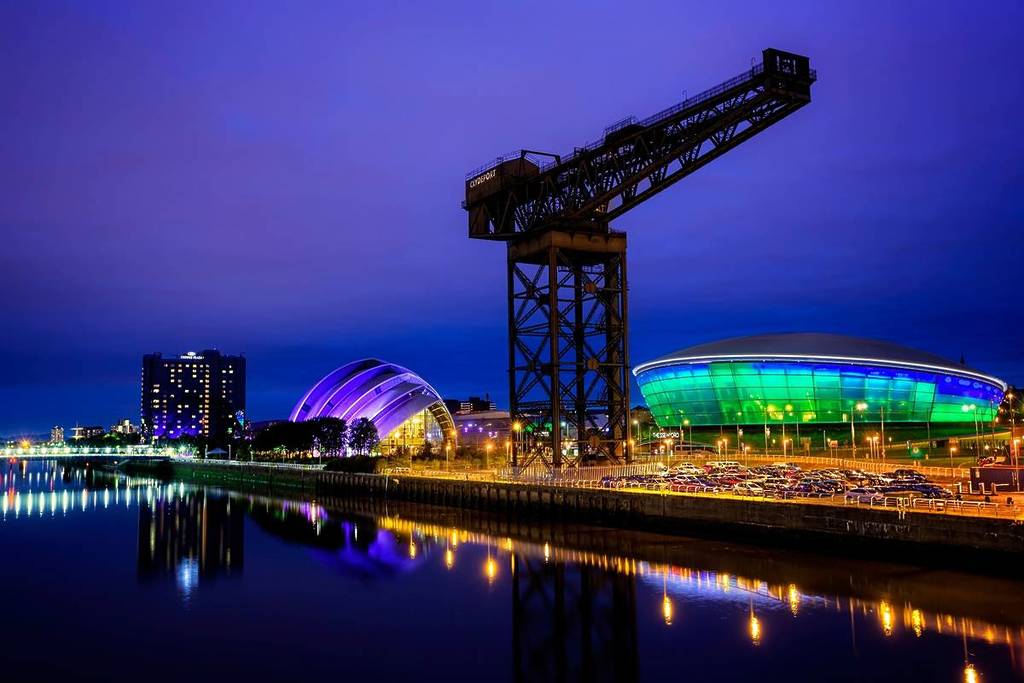
The original Finnieston Crane arrived in Glasgow in 1848 for the John Brown shipyard, built by the renowned Glasgow engineering firm Sir William Arrol & Co. The company was also behind architectural marvels like the Forth Bridge and the London Bridge. Its replacement was built in 1931, which is the crane that we have today. Plus, it was the last of its kind to be built, ever.
The crane in Glasgow has also survived a bombing during the 1941 Clydebank Blitz, which wrecked the city immensely.
After shipbuilding came to an end in the 70s, the Finnieston Crane was used to build oil rigs up until 2001. In 2007, the structure was turned into a visitor attraction showcasing maritime history, yet it was forced to close in 2018 due to high running costs.
Is there still hope for the Finnieston Crane?
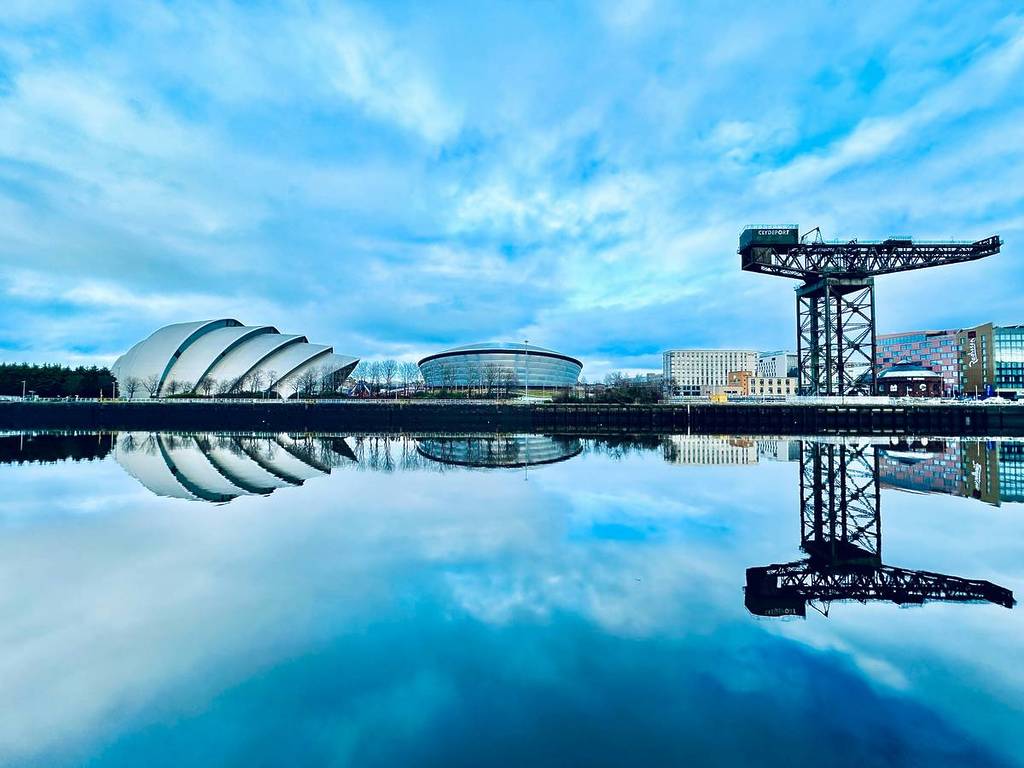
It would cost anything between £1.2 million and £7.3 million to repaint the crane alone, making it one of the biggest challenges.
Currently, the giant cantilever crane at Greenock’s James Watt Dock has a planning permission pending for an urban zipline attraction through the dock.
While there are no current plans for the Finnieston Crane, which is an A-listed attraction, similar attractions, such as the aforementioned zipline, or turn the structure into a sky-high restaurant.
One thing is clear – the Government or the Council are not able to pay for its upkeep, and the only way to properly preserve the giant crane is to turn it into a more lucrative attraction, with people appreciating its cultural and historical significance more.