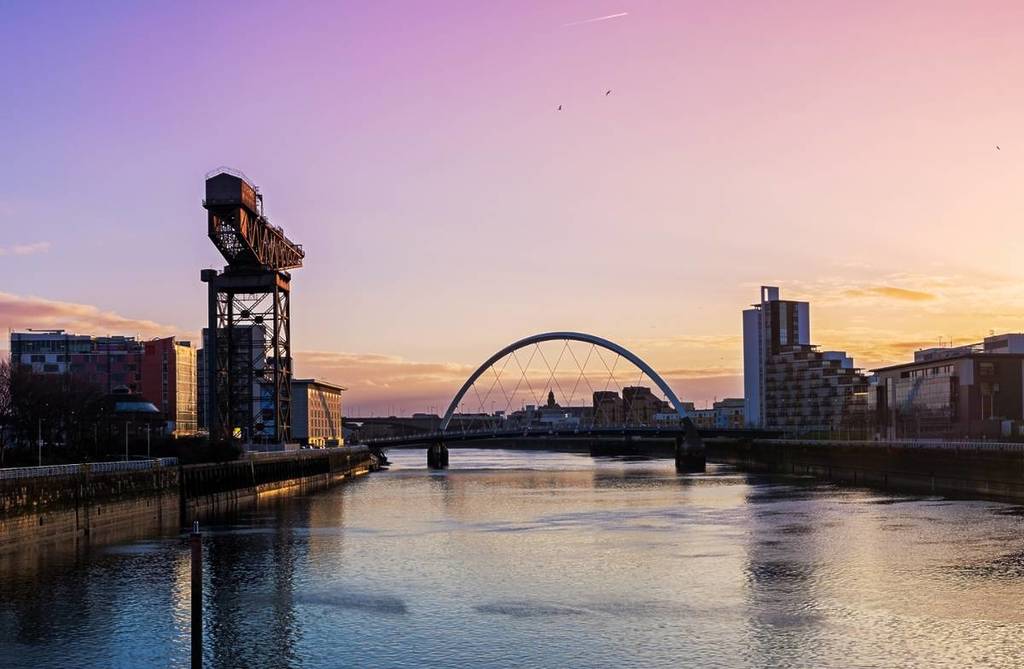

If you’ve been struggling with the beginning of winter, there’s good news and bad news on the horizon: the clocks go back this weekend, giving most of us an extra hour in bed but it also means the evenings will get darker even sooner.
British Summer Time ends this weekend
British Summer Time (BST), also known as Daylight Saving Time, ends at 2am on Sunday 25 October, when clocks across the UK move back one hour to Greenwich Mean Time (GMT).
What happens when the clocks change?
At 2am on Sunday, the time becomes 1am again. In practical terms, that means an extra hour of sleep for anyone not working overnight, though smartphones and other connected devices will usually make the switch automatically, while analogue watches and some car clocks will need changing by hand.
The change also shifts daylight earlier in the day. Sunset will arrive an hour sooner, but mornings will initially feel brighter, with the sun rising earlier too.
The clocks won’t go forward again until Sunday 28 March 2027.
Why do we change the clocks?
The UK has been changing its clocks for more than a century. Germany was the first country to adopt daylight saving time in 1916, during the First World War, as a way to conserve fuel by making better use of evening daylight reducing the need for lighting and heating.
The UK followed suit, adopting what became known as British Summer Time. The practice has continued ever since, apart from a brief period during the Second World War when clocks went forward two hours under British Double Summer Time.
Could the UK stop changing the clocks?
The twice-yearly switch remains a recurring debate. In the US earlier this year, lawmakers approved the Sunshine Protection Act by 308 votes to 117 — a bill that would end clock changes and make daylight saving time permanent.
The UK trialled year-round BST between 1968 and 1971. Supporters of keeping summer time all year argue it could boost productivity and reduce evening road accidents.
But it would also mean darker winter mornings particularly in Scotland, where in parts of the country the sun would rise at around 9.45am in late December.
For now, there are no plans to scrap the UK’s biannual clock change.
Do other countries change at the same time?
Most of Europe will turn its clocks back on the same day as the UK, Sunday 25 October.
Elsewhere, the picture differs: Egypt’s daylight saving period ends on Friday 30 October, while clocks in North America go back on the first weekend of November, this year, 1 November.
Only a small number of places in Asia, Oceania, South America and Africa observe daylight saving time at all.
Remember: clocks go back at 2am on Sunday 25 October — so enjoy that extra hour, and don’t forget the oven clock.