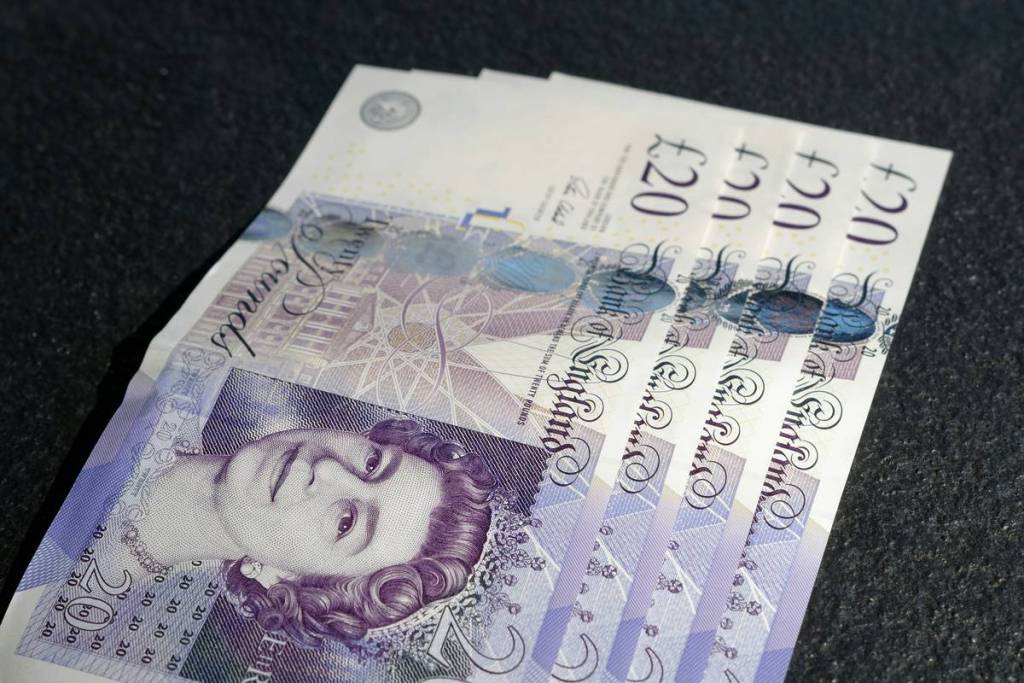

The pound has climbed to its highest overall level since the June 2016 Brexit referendum, marking a striking turnaround for sterling after years of political and economic turbulence.
The currency has strengthened notably against both the euro and the dollar in recent weeks, with markets anticipating the Bank of England’s first interest-rate rise in more than three years.
Pound rises to highest level since Brexit referendum – a decade-long milestone
Bank of England figures show that sterling’s trade-weighted index, its value against a basket of 18 major currencies reached 86.4 this week.
On that index, 100 represents sterling’s value in 2005, and the latest reading is jointly the highest since the referendum. The Bank is expected to confirm the calculation officially on Thursday.
Sterling fell sharply after the 2016 vote and endured further pressure during the Brexit negotiations, the Covid-19 pandemic, and the market turmoil that followed the 2022 mini-Budget.
Its recovery therefore carries symbolic weight: it suggests investors are reassessing the UK’s economic credibility and outlook.
Jim O’Neill, the economist and former Treasury minister, said he was “not surprised,” arguing that investors have underestimated the improving momentum in the UK economy.
UK growth this year has outperformed forecasts, although rising energy and fuel prices have begun to weigh on consumer confidence.
Bank of England’s nine-member Monetary Policy Committee is widely expected to raise interest rates
The Bank of England’s nine-member Monetary Policy Committee is widely expected to raise interest rates on Thursday, in what would be the first increase in more than three years.
Higher UK rates tend to make sterling more attractive to global investors seeking better returns, which can reinforce currency appreciation.
The decision comes as inflation remains above the Bank’s 2% target. Consumer price inflation stood at 3.5% in September 2026, up from 3.1% the previous month, with energy and fuel costs a major driver.
What it means for households
A stronger pound can help restrain inflation by making imported goods cheaper. It can also increase consumers’ purchasing power abroad, particularly for holidays and purchases priced in other currencies.
However, the benefits are not evenly distributed. If the Bank raises rates, borrowers, especially those on tracker or variable-rate mortgages, may face higher monthly repayments, while savers could see improved returns.
For now, the pound’s return to its strongest post-referendum level is a sign that markets see the UK as more stable than at many points over the past decade.