
Scotland is renowned for its breathtaking views, from pristine natural coastlines to rugged mountain terrain. Whether it’s marine life, or land animals and habitats, Scotland is determined to preserve its nature, joining the global commitment to protect 30% of its land and seas by 2030. As a result, the Natural Environment (Scotland) Act 2026 has been introduced to aid the preservation efforts.
What is more, the goal is to regenerate biodiversity within the country by 2045, and to completely halt nature’s decline by 2030.
Natural Environment (Scotland) Act 2026 has become an official Act on March 12, 2026 after passing Royal Assent, introducing targets “to improve biodiversity”, making changes to the Environmental Impact Assessments regime and the Habitats Regulations, changing the way National Parks are run, helping with the management of wild deer in Scotland, as well as introducing new laws as required.
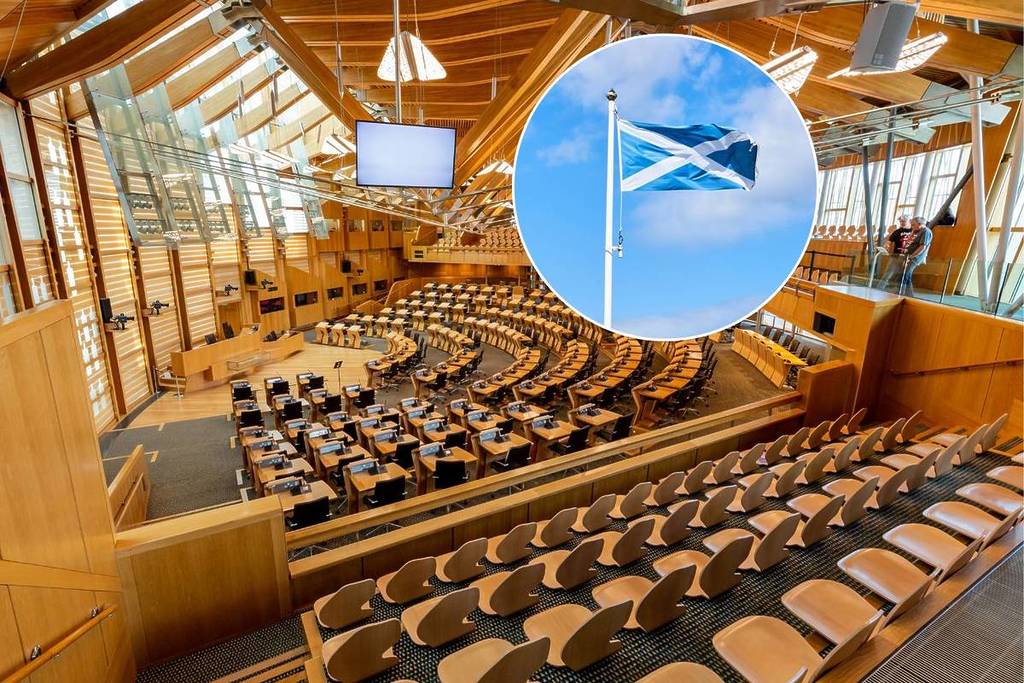
Plus, Environmental Standards Scotland (ESS) has been appointed as the independent review body tasked with monitoring the government’s progress and holding ministers accountable to these targets.
Swift nest box for urban birds
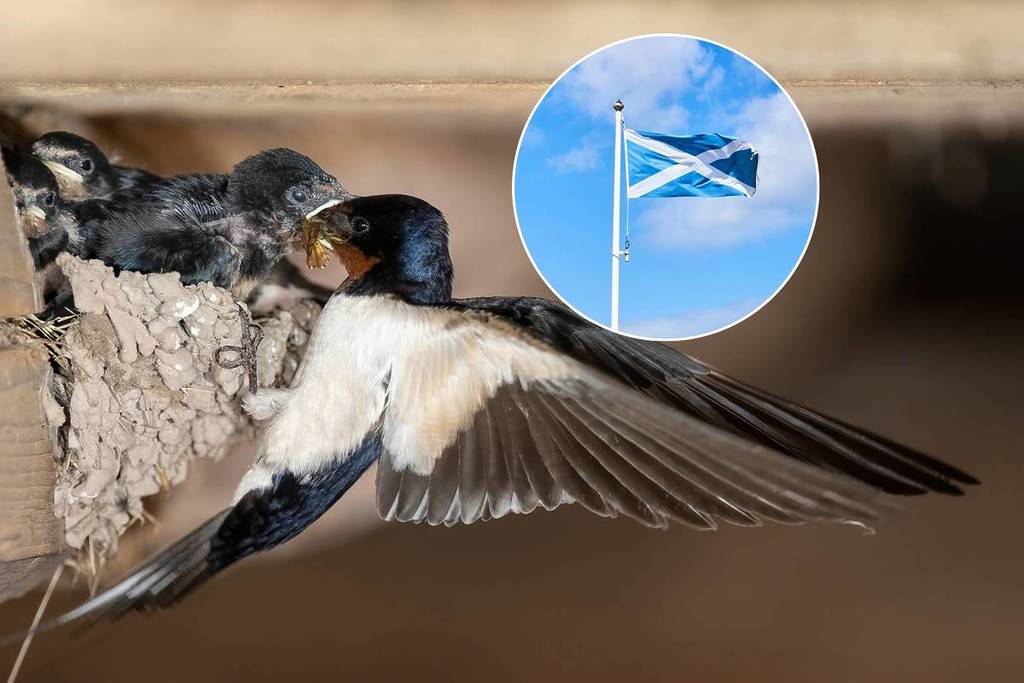
This new law is the first of its kind in the UK. A swift nest “bricks” should be built within new builds in Scotland to aid bird nesting in urban areas, helping preserve endangered species. This is required in buildings where appropriate.
The new legislation states: “The Scottish Ministers must, before the expiry of the period of 12 months beginning with the day on which this section comes into force, make regulations under section 1 of the Building (Scotland) Act 2003 to make provision for the installation of swift nest boxes in such buildings as described in the regulations where reasonably practicable and appropriate.”
Deer management
The Deer (Scotland) Act 1996 has been changed, allowing for increased intervention where applicable, for example, when deer populations hinder local biodiversity. What is more, the rules and regulations for the sale of wild venison have become more relaxed, aiding local economies.
The modernisation of National Parks
The legislation, when it comes to National Parks, is changing, holding public bodies which operate within these protected areas more accountable. This will aid in curbing environmental damage, irresponsible camping, or wildfire risks.
Protection of marine life
It is no surprise that marine life is on the list. Internationally important wetlands (Ramsar sites) are given the exact same level of high statutory legal protection as Special Areas of Conservation (SACs) and Special Protection Areas (SPAs).
Plus, the Natural Environment (Scotland) Act 2026 strengthens the Marine (Scotland) Act 2010 by mandating that climate change adaptation must be considered in the management of Nature Conservation Marine Protected Areas (MPAs).
Forestry and muirburn
Scottish forests have not been left behind, as Scottish Ministers are now given new powers to turn the UK Forestry Standard guidance into mandatory regulations, alongside stricter licensing of unauthorised tree felling and muirburn (the controlled burning of heather).
While the specific details and metrics are still being worked out and will be introduced through secondary legislation, the Natural Environment (Scotland) Act 2026 will help Scotland become nature positive by 2045. You can read the full Act here.