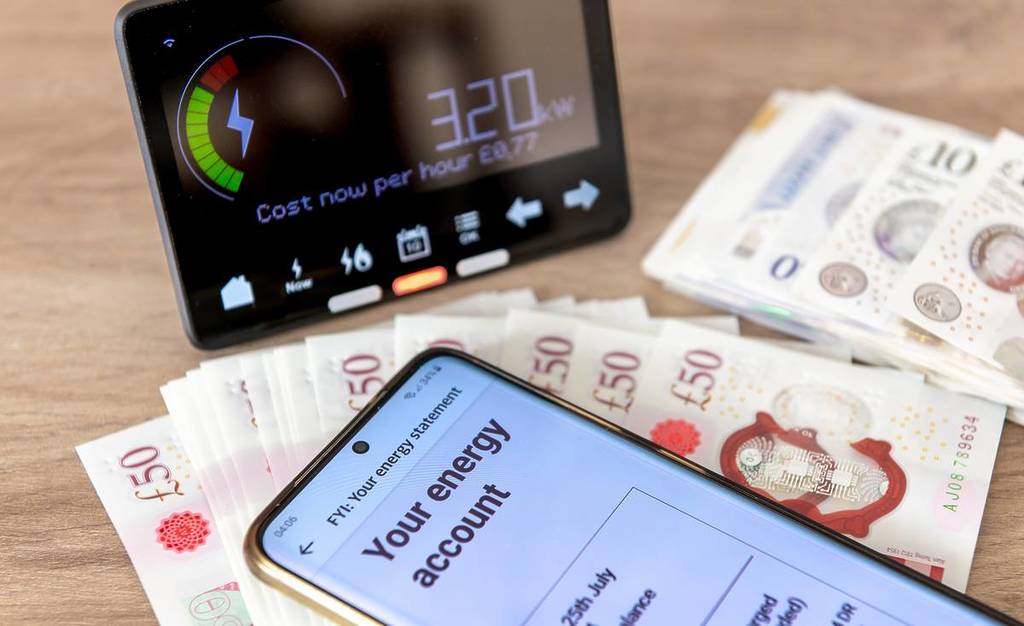

Household energy bills across Britain are set to increase from July after regulator Ofgem confirmed a 13% rise in the energy price cap for the period between July 1 and September 30 2026.
The change means a typical household paying by direct debit for gas and electricity will see annual bills rise from £1,641 to £1,862 under current usage estimates which is an increase of £221 a year, or around £18 a month.
Household energy bills across Britain are set to increase by 13% from July 2026
The energy price cap limits the maximum amount suppliers can charge per unit of gas and electricity, as well as standing charges, for customers on default tariffs.
It affects around 33 million households across England, Scotland and Wales, while approximately 40% of customers on fixed tariffs will not see their bills change until their deals end.
Ofgem said the increase reflects higher wholesale gas prices, which continue to influence the overall cost of energy. Wholesale costs account for around 40% of a typical household bill.
From July, gas prices will rise more sharply than electricity. Households can expect gas bills to increase by around 24%, while electricity costs will rise by approximately 5%.
Ofgem noted this difference reflects the growing share of renewable energy in electricity generation, reducing reliance on gas.
Alongside the price rise, Ofgem is updating its Typical Domestic Consumption Values (TDCV), which are used to estimate average household bills.
The revised figures reflect a long-term reduction in energy use, with households now using around 7% less electricity and 17% less gas compared with previous estimates.
The average annual energy bill from July 2026 would be £1,663
Under these updated assumptions, the “typical” annual bill from July would be £1,663.
However, the regulator stressed that this change does not reduce the unit cost of energy, meaning households will still pay more per unit despite lower estimated usage.
Ofgem chief executive Tim Jarvis said the latest adjustment highlights ongoing volatility in energy markets, adding that consumers should consider options such as switching tariffs or changing payment methods to manage costs.
Customers paying by direct debit could save around £143 on their energy bills
Customers paying by direct debit could save around £143 compared to standard credit, while those with smart meters may be able to access time-of-use tariffs offering cheaper electricity at certain times.
Despite the increase, prices remain below the peak of the energy crisis in 2022, when government support capped typical bills at £2,500. However, costs are still significantly higher than pre-crisis levels, and affordability remains a concern for many households.
Energy suppliers are required to offer support to customers struggling with bills, including repayment plans and access to financial assistance. Ofgem has urged anyone facing difficulties to contact their supplier early to explore available options.